Self-Employed Tax Deductions: Track & Maximize with Portmoneo
Every dollar truly matters for self-employed professionals. Effectively maximizing your eligible tax deductions directly reduces your tax liability, but only with a precise record of your expenditures. Our experience shows that the simplest deductions are consistently documented with clear receipts. Without an organized system, you risk missing valuable write-offs and facing audit complications.
In our analysis, many freelancers and small business owners unknowingly leave money on the table due to fragmented expense tracking. Portmoneo provides the structure needed to track and capture every detail of your self-employed expenses. This helps you maximize your potential tax deductions. It transforms the daunting task of tax preparation into a streamlined, confident process for your business’s financial health.
Why is a Dedicated Self-Employed Tax Deductions Tracker Essential?
Direct Answer: To verify every write-off. A dedicated tracker captures every eligible expense, simplifying tax prep and ensuring your records withstand IRS scrutiny. It prevents the “shoebox panic” at year-end. Managing finances as a freelancer or independent contractor extends beyond delivering services; it includes meticulous accounting and tax preparation. A deductible expenses tracker is not just convenient; it is a vital tool for long-term financial stability and adherence to tax regulations.
How Does a Tracker Prevent Missed Deductions?
Direct Answer: By ensuring instant capture. Logging expenses immediately prevents forgotten receipts. From travel to home office, you claim everything you’re entitled to because nothing gets lost.
Many self-employed individuals overlook valuable deductions simply because they cannot remember or locate the necessary paperwork. From client entertainment to professional subscriptions, the list of potential write-offs is extensive. Portmoneo ensures each expense is logged immediately, removing the last-minute scramble. This proactive approach ensures you maximize every tax advantage.
Can a Tracker Truly Simplify Tax Season?
Direct Answer: Yes. Continuous organization means tax time is just a “report export,” not an archeological dig. It makes filing stress-free and cost-efficient.
The thought of compiling a year’s worth of receipts and transactions often feels overwhelming. With a digital expense tracker, your financial records are consistently updated and structured. This means less anxiety, fewer hours spent on manual data entry, and a more efficient experience when preparing your tax returns.
How Does a Tracker Ensure IRS Compliance and Audit Readiness?
Direct Answer: By creating an audit trail. Having categorized digital receipts proves your expenses are legitimate, giving you confidence and evidence during any IRS inquiry.
The IRS mandates accurate records to substantiate all deductions claimed on your tax return. Should you ever face an audit, possessing a detailed, easily searchable record of your business expense receipts and categorized spending is critical. A quality tracker delivers this clear audit trail, offering confidence and proving your commitment to compliance.
What are Common Deductible Expenses for Self-Employed Individuals?
Direct Answer: Home office, Travel, Marketing, Education, Software. Tracking these core categories reduces your taxable income directly. Don’t overlook health premiums or professional fees.
Understanding what you can deduct is the crucial first step towards effective expense management. While tax laws can be complex – and consulting a tax professional is always advisable – here are key categories of self-employed expenses you should diligently track.
Are Home Office Expenses Deductible for Self-Employed Workers?
Direct Answer: Yes, for exclusive business use. You can deduct a portion of rent/utilities (Actual Method) or $5/sq ft (Simplified Method). Accurate records are mandatory.
We often observe clients overlooking minor home office upkeep, such as a new lightbulb or a small paint touch-up. Even small repairs to your dedicated space can add up significantly over the year. The IRS provides guidance on these deductions IRS Publication 587.
How Can Self-Employed Individuals Deduct Business Travel and Vehicle Costs?
Direct Answer: Deduct travel costs; log mileage. Airfare and lodging are deductible. For cars, choose Standard Mileage or Actual Expenses, but always keep a precise log.
Remember that meals while traveling must generally be for business purposes and are often 50% deductible. Our users consistently report that tracking mileage accurately, whether via a separate app or manual log, is one of the most frequently missed opportunities for significant write-offs.
What Marketing and Advertising Costs are Deductible?
Direct Answer: Yes. Website, ads, business cards. Any cost to find customers or build your brand is fully deductible. Track these investments.
From digital ad spend on platforms like Google or Meta to physical flyers distributed at local events, any legitimate effort to market your services or products falls into this category. Keep clear records of all these expenditures, as they are direct investments in your business’s future.
Are Professional Development and Education Expenses Deductible?
Direct Answer: Yes, for maintaining skills. Workshops and books for your current job are write-offs. Education for a new career path generally isn’t.
However, be aware that education to meet minimum job requirements or to qualify for a new trade or business is generally not deductible. Always ensure the education directly improves skills needed in your existing profession.
Can Self-Employed Individuals Deduct Software, Subscriptions, and Supplies?
Direct Answer: 100% Yes. Software (SaaS), office supplies, and equipment used for business are “ordinary and necessary” expenses. Keep every invoice.
This category is broader than many assume, encompassing everything from your annual Adobe Creative Cloud subscription to printer ink and ergonomic office chairs. If it’s ordinary and necessary for your business, track it.
Are Health Insurance Premiums Deductible for the Self-Employed?
Direct Answer: Usually yes. If you aren’t eligible for an employer plan, you can deduct premiums from your adjusted gross income. Verify rules each year.
This deduction can significantly reduce your adjusted gross income, but specific rules apply. It’s crucial to confirm your eligibility each year. This deduction applies only to the cost of medical insurance, not health savings account (HSA) contributions, which have separate rules.
How Do Retirement Contributions Reduce Self-Employment Tax?
Direct Answer: They lower taxable income. Contributions to SEP IRAs or Solo 401(k)s are tax-deductible, saving you money today while funding your future.
These plans offer high contribution limits, making them powerful tools for tax-advantaged savings. The specific rules for each plan vary, so understanding the nuances can maximize both your retirement savings and your immediate tax benefits. Source: U.S. Small Business Administration
Are Fees for Professional Services Deductible for Businesses?
Direct Answer: Yes. Accountants, lawyers, consultants. Fees for professional advice related to your business are fully deductible operations costs.
Whether it’s for annual tax preparation, legal advice on a contract, or consulting to improve your business strategy, these professional fees are legitimate business expenses. Ensure you retain invoices or receipts for these services for your records.
How Does Portmoneo Simplify Self-Employed Expense Tracking?
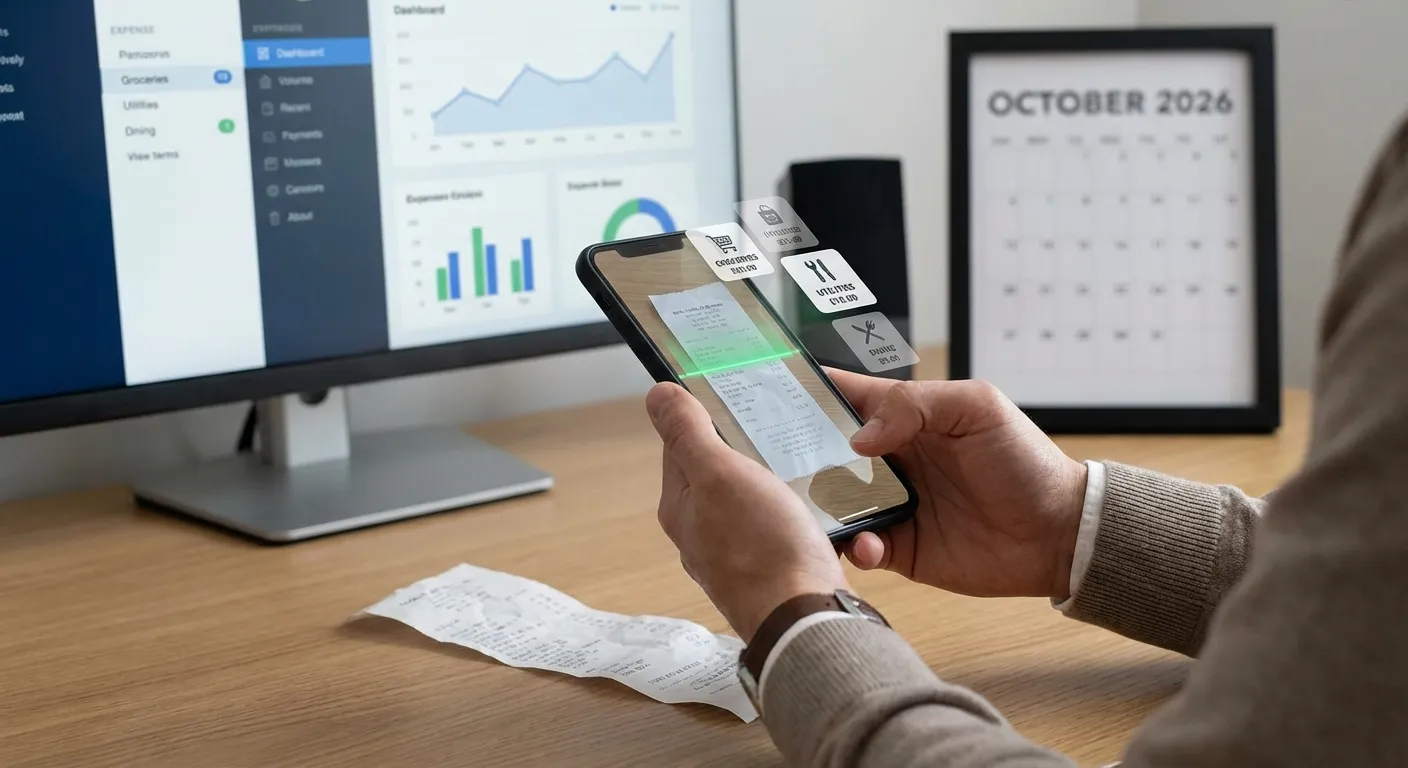
Direct Answer: Automated capture. Portmoneo scans and tracks receipts instantly, ensuring every deduction is recorded and categorized for stress-free tax filing.
In our discussions with thousands of freelancers, the dread of a “receipt shoebox” is a real, shared experience. Portmoneo tackles this common frustration head-on, designed specifically with the self-employed individual in mind. It’s built to be the ideal 2026 self-employed expense tracker and beyond.
Can I Really Scan and Categorize Receipts in Seconds?
Direct Answer: Yes. Snap and done. The AI reads the receipt, fills the data, and saves it. Real-time capture means no more lost tax savings.
Forget manual data entry and fading thermal receipts. This instant capture mechanism prevents lost documentation and ensures every detail is recorded precisely. You spend less time on administration and more time focusing on your core business.
What are the Benefits of Portmoneo’s Automated Organization?
Direct Answer: Clarity and control. Automated storage keeps records safe and trends visible, helping you budget better and spot cost-saving opportunities.
This automated system means you maintain a clear, dynamic financial overview of your business throughout the year. Understanding your spending patterns is crucial for making smart financial decisions and optimizing future budgets.
How Does Portmoneo Facilitate Data Export for Tax Season?
Direct Answer: One-click exports. Generate CSV/Excel reports instantly to share with your accountant. It turns days of sorting into seconds of sending.
When tax filing approaches, Portmoneo streamlines the entire process. You can export comprehensive reports, ready to be handed over to your accountant or seamlessly integrated into your preferred tax software. This feature dramatically reduces preparation time and minimizes the risk of mistakes.
Does Portmoneo Work Offline for On-the-Go Tracking?
Direct Answer: Yes. Track anywhere. Log expenses and scan receipts without signal; everything syncs securely when you’re back online.
Life as a self-employed professional often means working from various locations. Portmoneo ensures you can continue to track expenses and manage receipts without interruption, no matter your connectivity status. Your data remains protected and up-to-date.
How Secure is Portmoneo’s Cloud Storage for Financial Data?
Direct Answer: Bank-grade security. Data is encrypted and backed up in the cloud, protecting your financial history from device failure or theft.
We understand the paramount importance of data security for financial records. Our robust cloud infrastructure is designed to provide peace of mind, knowing your sensitive information is protected with industry-leading security protocols.

Frequently Asked Questions About Self-Employed Tax Deduction Trackers
Is Portmoneo tax advice?
No. Portmoneo is a record-keeping tool to help you stay organized. We do not offer tax advice; always consult a professional for your specific situation.
Is Portmoneo free to start?
Yes. Portmoneo has a free tier so you can start tracking deductions immediately without cost. Experience organized expense management risk-free.
What types of receipts can I track with Portmoneo?
You can track all business receipts: paper, digital invoices, and email confirmations. The app captures and categorizes any expense format effortlessly.
How often should I track my expenses with Portmoneo?
Track daily or a few times a week. Consistent logging keeps details fresh and prevents a stressful backlog during tax season.
Does Portmoneo offer budgeting features beyond expense tracking?
While focused on tracking, its reports offer insights into spending patterns that inform better budgeting, even if it’s not a dedicated budgeting tool.
What makes Portmoneo different from other expense trackers?
It stands out with instant AI OCR, an intuitive interface, and a specific design for the self-employed, prioritizing your time and accuracy over generic features.
Can I integrate Portmoneo with my existing accounting software?
It provides seamless export to standard formats (CSV/Excel), allowing easy data transfer to accounting software or your accountant, bridging your tracking with broader finance tools.
Don’t let valuable deductions slip away. Start building a clean, organized financial record today. With Portmoneo’s self-employed tax deductions tracker, you’re not just tracking expenses; you’re investing in your business’s financial health and ensuring a smoother, more confident tax season. Download Portmoneo and begin your journey to effortless expense management now.